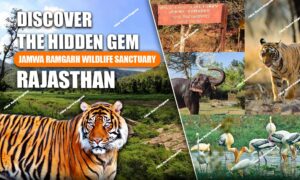
Discover the Hidden Gem: Jamwa Ramgarh Wildlife Sanctuary, Rajasthan
Jamwa Ramgarh Wildlife Sanctuary is a breathtaking natural reserve located just 35 kilometers from Jaipur in Rajasthan. Known for its diverse landscapes, thriving wildlife, and rich history, this sanctuary is a paradise for nature lovers, bird watchers, and adventure seekers. Spread across nearly 300 square kilometers, it was declared a sanctuary in 1982 and has since evolved into one of Rajasthan’s most cherished ecological zones.
History and Legacy
The region around Jamwa Ramgarh was once a favored hunting ground for the royals of Jaipur. Over time, increasing awareness about wildlife preservation led to its protection as a sanctuary. A key feature of its history is the once-flourishing Ramgarh Lake, which provided water to Jaipur city for decades. Though the lake dried up around the year 2000, the sanctuary continues to serve as a vital ecological hub. The legacy of this waterbody and the surrounding hills makes the sanctuary an important chapter in Jaipur’s environmental history.
Landscape and Natural Setting
Jamwa Ramgarh Wildlife Sanctuary lies in the folds of the Aravalli hills, giving it a rugged yet picturesque landscape. The terrain combines dry deciduous forests, rocky slopes, and lush grasslands. The Banganga River meanders through parts of the sanctuary, sustaining its rich biodiversity. During monsoon, the greenery comes alive, turning the sanctuary into a vibrant haven of flora and fauna.
The diversity of the land makes it an attractive destination for trekking, hiking, and eco-tourism. With its mix of forests and open lands, it also offers scenic viewpoints perfect for watching the sunrise or sunset.
Flora: Nature’s Green Wealth
The flora of Jamwa Ramgarh Wildlife Sanctuary reflects the dry deciduous character of Rajasthan’s forests. Dominant tree species include:
- Dhok (Anogeissus pendula) – the backbone of the forest ecosystem.
- Jamun (Syzygium cumini) – providing food and shade for wildlife.
- Mango and Tamarind – scattered across fertile valleys.
- Arjun and Bahera – adding to the forest canopy.
- Tendu, Siris, and Churel – important for local ecology and traditional uses.
Alongside these, flowering plants like lantana, jasmine, nerium, and peacock flowers create bursts of color, while medicinal shrubs contribute to the biodiversity. Together, they form a balanced ecosystem that supports wildlife year-round.
Wildlife: A Safe Haven for Animals
Jamwa Ramgarh Wildlife Sanctuary is home to a remarkable range of wildlife. Visitors may spot:
- Big and Small Mammals: Leopard, striped hyena, jungle cat, jackal, wild boar, nilgai (blue bull), sambar deer, chinkara, macaque, and desert fox.
- Birdlife: Over 200 species of birds are recorded here. The Indian peafowl, plum-headed parakeet, bee-eater, hoopoe, kingfisher, baya weaver, white-eyed buzzard, and sunbirds make this a birdwatcher’s paradise.
- Reptiles and Others: Monitor lizards, mongoose, and various species of snakes thrive in its habitats.
The sanctuary’s ecological importance lies in its ability to host such diverse fauna within a single protected landscape.
Adventure Trails and Eco-Tourism
For adventure seekers, Jamwa Ramgarh Wildlife Sanctuary offers trekking and biking trails that bring travelers closer to nature. Some of the popular experiences include:
- Jamwa Ramgarh Trek – A moderate trek that takes visitors through forested paths, rich with flora and fauna.
- Dant Mata Trail – A shorter yet rewarding trek that leads to a hilltop temple and provides panoramic views of the valley.
- Darolai Mountain Bike Ride – A thrilling route across forest tracks and rural landscapes, perfect for those who enjoy cycling amid natural beauty.
These trails are not just about physical adventure but also about immersing oneself in the sounds and sights of the wilderness.
Conservation Challenges
Despite its protected status, Jamwa Ramgarh Wildlife Sanctuary faces several threats. Mining for soapstone and marble in nearby areas has damaged large sections of its forests. These activities not only destroy habitats but also disrupt water sources and disturb animal life. The drying of the historic Ramgarh Lake is another ecological setback.
Efforts are being made to control human activities, restore degraded zones, and promote eco-tourism as a sustainable alternative. Protecting this sanctuary is not just important for wildlife but also for the communities that depend on its resources.
Best Time to Visit
The best time to visit Jamwa Ramgarh Wildlife Sanctuary is between August and February. During the post-monsoon months, the forests are green and fresh, offering ideal conditions for trekking and wildlife spotting. Winters are particularly pleasant, with cool weather perfect for exploring. Summers, on the other hand, can be harsh and are less recommended for long outdoor activities.
How to Reach
- By Air: The nearest airport is in Jaipur, about 35 kilometers away.
- By Rail: Jaipur Railway Station connects the region to major Indian cities.
- By Road: Well-connected highways make it easy to reach the sanctuary by car or bus from Jaipur and other nearby towns.
Its proximity to Jaipur makes it a convenient getaway for both domestic and international travelers.
Nearby Attractions
Apart from the sanctuary, travelers can explore:
- Ramgarh Palace – a heritage site reflecting the grandeur of Rajasthan’s past.
- Jaipur City – with its forts, palaces, and cultural hubs just a short drive away.
- Local Villages – offering a glimpse of rural Rajasthani life.
These nearby destinations enhance the overall travel experience, making the sanctuary part of a wider cultural and natural exploration.
Why Jamwa Ramgarh Wildlife Sanctuary Matters
- Biodiversity Hotspot: Protects numerous species of plants, birds, and mammals.
- Ecological Balance: Plays a key role in maintaining green cover and supporting water cycles.
- Adventure Tourism: Encourages sustainable travel through trekking and biking trails.
- Cultural Significance: Carries historical importance as a former royal hunting reserve.
Jamwa Ramgarh Wildlife Sanctuary is more than just a protected forest; it is a living testament to Rajasthan’s natural and cultural heritage. Its blend of wildlife, flora, landscapes, and adventure makes it a destination worth visiting. For Jaipur residents, it is an accessible retreat into nature, while for travelers, it represents an authentic slice of Rajasthan’s wilderness.
As conservation challenges grow, visiting responsibly and supporting eco-tourism initiatives are crucial. By doing so, we ensure that Jamwa Ramgarh Wildlife Sanctuary continues to thrive for future generations.