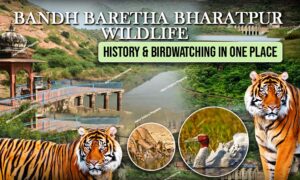
Bandh Baretha Bharatpur: Wildlife, History & Birdwatching in One Place
Bandh Baretha Bharatpur is one of Rajasthan’s lesser-known yet most enchanting wildlife sanctuaries. Located about 50 km from Bharatpur city, this sanctuary is not just about flora and fauna but also a blend of history, culture, and natural beauty. Spread across 368.5 sq. km, Bandh Baretha includes the famous Baretha Dam, built in the 19th century, and a vast man-made reservoir that attracts migratory birds from around the world.
Unlike the more crowded Keoladeo National Park, Bandh Baretha Bharatpur offers a tranquil environment where visitors can enjoy jeep safaris, birdwatching, boating, and eco-tourism activities. Its location between Bharatpur and Karauli makes it a significant ecological corridor for wildlife conservation in Rajasthan.
Historical Background of Bandh Baretha Bharatpur
The story of Bandh Baretha Bharatpur dates back to the 1860s. Maharaja Jaswant Singh of Bharatpur commissioned the Baretha Dam in 1866, which was later completed in 1897 during the reign of Maharaja Ram Singh. This massive engineering project transformed the Kakund River basin into a large reservoir, ensuring water security for Bharatpur and creating a lush wetland ecosystem.
The sanctuary was officially declared in 1985, covering about 192.8 sq. km, and later expanded in 2021 to include additional forest blocks from Karauli. Today, it spans nearly 368.5 sq. km, making it a vital part of Bharatpur’s biodiversity conservation landscape.
Wildlife at Bandh Baretha Bharatpur
Mammals
Bandh Baretha Bharatpur is home to a wide variety of mammals, including:
-
Nilgai (Blue Bull) – the largest antelope in Asia.
-
Chital (Spotted Deer) and Sambar Deer, often seen grazing near water bodies.
-
Wild Boars, Jungle Cats, and Striped Hyenas.
-
Sloth Bears, Indian Pangolins, and Bengal Foxes.
-
Occasional sightings of Leopards and Wolves add thrill for wildlife enthusiasts.
Birds
For birdwatchers, Bandh Baretha Bharatpur is a paradise. The reservoir and wetlands attract more than 200 bird species, including:
-
Black Bitterns, Herons, and Kingfishers.
-
Bar-headed Geese and migratory ducks.
-
Six globally threatened water bird species.
-
Seasonal visitors like Avocets, Bee-eaters, and other migratory birds during winter.
Vegetation
The sanctuary’s vegetation is typical of dry deciduous forests, mixed with shrubs and grasslands. Key plants include:
-
Dhok, Neem, Ber, Prosopis, and Khejra.
-
Herbal and medicinal plants that support both wildlife and local communities.
Things to Do at Bandh Baretha Bharatpur
Jeep Safari
Exploring the sanctuary on a jeep safari is one of the most popular activities. Early morning and late evening rides increase the chances of spotting mammals and birds.
Boating & Water Adventures
The Baretha Dam reservoir is ideal for boating, fishing, and relaxing by the water. During monsoon, the scenic views become even more captivating with seasonal waterfalls.
Eco-Tourism & Nature Walks
Eco-resorts near Bandh Baretha Bharatpur offer guided nature walks, cycling tours, and wellness activities. These programs promote sustainable tourism while educating visitors about conservation.
Best Time to Visit Bandh Baretha Bharatpur
-
Winter (October to March): Best season for migratory birds and pleasant safaris.
-
Monsoon (July to September): Scenic beauty peaks, waterfalls flow, and greenery spreads across the sanctuary.
-
Summer (April to June): Hot, but wildlife sightings near water sources are frequent.
Nearby Attractions
-
Bayana Fort (22 km): A historic Rajput fort built in the 11th century, known for battles between Rana Sanga and Babur.
-
Darr Barhana Waterfall (9 km): A seasonal waterfall and picnic site, perfect during the monsoon.
-
Weir Town (40 km): Known for ancient forts, gardens, and temples.
-
Keoladeo National Park (42 km): UNESCO World Heritage Site, famous for birdwatching.
How to Reach Bandh Baretha Bharatpur
-
By Road: Located 50 km from Bharatpur city, accessible via NH-11.
-
By Rail: Nearest station is Bharatpur Junction (42 km).
-
By Air: Agra Airport (75 km) and Jaipur Airport (180 km) are the closest airports.
Conservation Importance of Bandh Baretha Bharatpur
Bandh Baretha Bharatpur serves as a wildlife corridor connecting Ranthambore Tiger Reserve and Keoladeo National Park. This ecological link is crucial for the movement of tigers, leopards, and other species.
However, the sanctuary faces challenges like illegal mining, deforestation, and human-wildlife conflict. To counter these threats, eco-tourism and local community participation are being encouraged.
Why Visit Bandh Baretha Bharatpur?
-
A birdwatcher’s paradise with 200+ species.
-
A historical landmark with roots in 19th-century Rajasthan.
-
A wildlife retreat offering safaris, boating, and eco-tourism.
-
A peaceful alternative to crowded sanctuaries like Keoladeo.
Bandh Baretha Bharatpur is more than just a wildlife sanctuary—it’s a living heritage of Rajasthan, blending royal history, ecological importance, and natural charm. For travelers seeking birdwatching, safaris, or a quiet retreat into nature, Bandh Baretha offers an unforgettable experience. With ongoing conservation efforts and sustainable tourism, it stands as a symbol of Rajasthan’s commitment to protecting its biodiversity for future generations.
Bandh Baretha Bharatpur
Bandh Baretha jeep safari
Baretha Wildlife Sanctuary
Bharatpur birdwatching
Eco-Tourism Rajasthan
migratory birds Bharatpur
Rajasthan Wildlife Sanctuary