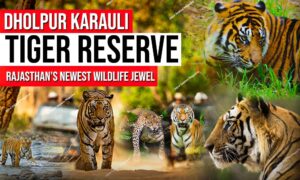
Dholpur–Karauli Tiger Reserve: Rajasthan’s Newest Wildlife Jewel
Dholpur–Karauli Tiger Reserve is Rajasthan’s newest protected area dedicated to tiger conservation and biodiversity preservation. Officially notified in August 2023, this reserve has become India’s 54th tiger reserve and Rajasthan’s fifth after Ranthambore, Sariska, Mukundra Hills, and Ramgarh Vishdhari. Spread across the districts of Dholpur and Karauli in eastern Rajasthan, it represents a critical step toward protecting big cats and maintaining ecological balance in the region.
Geography and Landscape
The Dholpur–Karauli Tiger Reserve covers an impressive 1,075 square kilometers of diverse terrain. It is divided into two zones:
-
Core Zone: Approximately 599 square kilometers
-
Buffer Zone: Around 457–495 square kilometers
The geography of the reserve is varied, featuring dry deciduous forests, scrublands, rocky outcrops, riverine areas, and grasslands. These landscapes support a wide range of flora and fauna, making it a thriving ecosystem. Parts of the National Chambal Sanctuary, Dholpur Wildlife Sanctuary, and Kaila Devi Wildlife Sanctuary are also included in its expanse, further enriching its ecological diversity.
Flora of Dholpur–Karauli
The vegetation of the Dholpur–Karauli Tiger Reserve reflects the semi-arid climate of Rajasthan. Dominant plant species include:
-
Anogeissus pendula (Dhok) – the most widespread tree species
-
Acacia catechu (Khair) – known for its hardwood and medicinal uses
-
Butea monosperma (Palash) – often called the “Flame of the Forest”
-
Bamboo and shrubs – providing cover for smaller wildlife
-
Riparian vegetation like Tamarix and grasses along the Chambal River
This rich mix of flora provides food and shelter for herbivores and forms the foundation of the reserve’s food chain.
Fauna and Wildlife
The Dholpur–Karauli Tiger Reserve is home to a wide variety of animals, both predators and prey.
Predators
-
Bengal Tigers – the flagship species of the reserve
-
Indian Leopards – elusive big cats sharing the habitat
-
Sloth Bears – known for their shaggy coats and nocturnal habits
-
Indian Wolves – apex predators of the grassland regions
-
Striped Hyenas and Golden Jackals – scavengers and hunters of the scrublands
Prey and Herbivores
-
Chital (Spotted Deer)
-
Sambar Deer
-
Nilgai (Blue Bull)
-
Chinkara (Indian Gazelle)
-
Wild Boar
-
Langurs and Porcupines
Reptiles and River Species
The Chambal River, which runs near the reserve, adds aquatic biodiversity with species like mugger crocodiles, turtles, and monitor lizards.
Tiger Population
At the time of its establishment, the Dholpur–Karauli Tiger Reserve had around eight tigers. This included two adult tigresses, popularly identified as T-116 and T-117, and a few cubs. These tigers migrated from the nearby Ranthambore Tiger Reserve, underlining the importance of wildlife corridors in Rajasthan.
The creation of this reserve strengthens tiger conservation by offering them more space, reducing territorial conflicts, and ensuring genetic diversity through connectivity with other reserves.
Role in Tiger Conservation
The establishment of the Dholpur–Karauli Tiger Reserve has major implications for Project Tiger and wildlife conservation in India. Its location acts as a crucial link between Ranthambore and surrounding sanctuaries, thereby extending the range of tigers and reducing stress on existing reserves.
By protecting this landscape, Rajasthan aims to secure its position as one of India’s leading tiger states. The reserve also helps conserve lesser-known species, strengthening the ecological balance of the region.
Human Settlements and Resettlement Issues
The creation of the buffer zone affected around 108 villages (60 in Dholpur and 48 in Karauli), spread across 31 gram panchayats. Approximately 35,000–40,000 residents may face displacement or relocation as part of the reserve’s management plan.
The government has offered compensation packages, including ₹15 lakh per adult above 21 years, either in cash or land. However, villagers have expressed concerns about relocation, livelihood loss, and fair distribution of compensation. Managing these challenges with transparency and community involvement will be critical to the success of the reserve.
Tourism and Economic Potential
With its proximity to the famous Ranthambore Tiger Reserve, the Dholpur–Karauli Tiger Reserve has immense potential to become a major eco-tourism destination. The addition of this reserve enhances Rajasthan’s wildlife tourism circuit, attracting both domestic and international visitors.
Eco-tourism initiatives can create employment opportunities for locals, promote conservation awareness, and boost the regional economy, provided they are managed sustainably. Jeep safaris, nature trails, and birdwatching activities are expected to develop in the coming years.
Benefits of the Reserve
-
Strengthened Tiger Conservation: Provides additional habitat and reduces pressure on existing reserves.
-
Biodiversity Protection: Safeguards multiple species of flora and fauna.
-
Tourism Development: Adds a new attraction to Rajasthan’s tourism map.
-
Economic Opportunities: Employment and income for local communities through eco-tourism.
-
Environmental Balance: Preserves natural forests, grasslands, and riverine ecosystems.
Challenges Ahead
While the Dholpur–Karauli Tiger Reserve is a landmark achievement, it faces challenges such as:
-
Resettlement Issues: Ensuring fair and smooth relocation for affected villages.
-
Human–Wildlife Conflict: Preventing crop damage and livestock predation in buffer areas.
-
Sustainable Tourism: Balancing economic benefits with ecological protection.
-
Illegal Activities: Controlling poaching and deforestation threats.
The Dholpur–Karauli Tiger Reserve is more than just Rajasthan’s newest wildlife jewel—it is a symbol of India’s ongoing commitment to protecting its natural heritage. By safeguarding tigers and their ecosystems, the reserve strengthens the country’s conservation network while offering opportunities for eco-tourism and sustainable development.
With careful planning, community cooperation, and strong conservation policies, Dholpur–Karauli has the potential to emerge as one of India’s most significant tiger reserves, contributing to the long-term survival of the Bengal tiger and countless other species.
Dholpur Karauli wildlife
Dholpur tiger reserve
Dholpur–Karauli Tiger Reserve
India’s 54th tiger reserve
Karauli tiger reserve
Project Tiger Rajasthan
Rajasthan eco tourism
Rajasthan tiger reserve
rajasthan wildlife tourism
tiger conservation Rajasthan