Jaswantgarh Mini Sanctuary Rajasthan: A New Habitat for Blackbuck Conservation
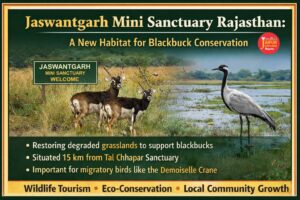
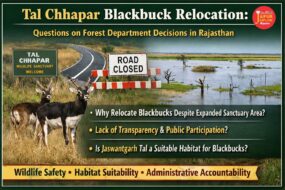
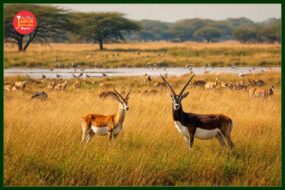
Jaswantgarh Mini Sanctuary Rajasthan is gaining attention as a promising new conservation project aimed at protecting and supporting the growing population of blackbucks in the region. Located in Nagaur district, this developing sanctuary is inspired by the success of Tal Chhapar Sanctuary and seeks to create a sustainable grassland ecosystem for wildlife.
With increasing pressure on existing habitats, particularly Tal Chhapar, this initiative represents an important step toward balancing conservation and ecological management.
Location and Strategic Importance
The Jaswantgarh Mini Sanctuary Rajasthan is situated between Sujangarh and Ladnun in Nagaur district. It lies approximately 15 kilometers from Tal Chhapar Sanctuary, making it a strategically chosen site for wildlife relocation.
This proximity ensures that:
- The climatic conditions remain similar
- Wildlife adaptation becomes easier
- Ecosystem continuity is maintained
Its location also makes it accessible for eco-tourism, which can contribute to local economic development.
Purpose Behind the Sanctuary Development
The primary objective of the Jaswantgarh Mini Sanctuary Rajasthan is to address the rising population of blackbucks at Tal Chhapar Sanctuary.
Key Goals Include:
- Reducing population pressure at Tal Chhapar
- Providing a new, safe habitat for blackbucks
- Restoring degraded grasslands
- Promoting biodiversity conservation
Tal Chhapar has a limited carrying capacity. As the blackbuck population grows, competition for food and space increases. This can lead to ecological imbalance and stress among animals.
The development of a secondary habitat like Jaswantgarh is intended to prevent such issues.
Grassland Restoration Efforts
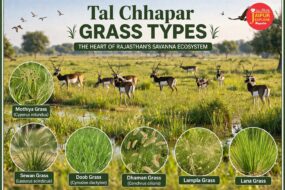
One of the most important aspects of the Jaswantgarh Mini Sanctuary Rajasthan project is the restoration of degraded grasslands.
Grasslands are essential for blackbucks because:
- They provide grazing resources
- They offer open spaces for movement
- They support predator awareness
The Forest Department is actively working on:
- Reviving native grass species
- Improving soil conditions
- Managing water resources
- Preventing overgrowth of invasive plants
These efforts aim to transform the area into a suitable and sustainable ecosystem for blackbucks.
Habitat Suitability and Ecological Balance
A major focus of the Jaswantgarh Mini Sanctuary Rajasthan is ensuring that the habitat meets the ecological needs of blackbucks.
Blackbucks are grassland specialists, and their survival depends on:
- Availability of quality grass
- Open terrain for visibility
- Minimal waterlogging
While Jaswantgarh includes wetland features, efforts are being made to maintain a balance between wetland and grassland ecosystems.
This dual ecosystem also supports a variety of other species, making the sanctuary ecologically diverse.
Importance for Migratory Birds
The Jaswantgarh Mini Sanctuary Rajasthan is not only significant for blackbucks but also for migratory birds.
One of the most notable visitors is the Demoiselle Crane, which migrates to this region annually.
Why Migratory Birds Visit This Region:
- Availability of water bodies
- Favorable climate
- Abundant food sources
The presence of such species enhances the ecological importance of the sanctuary and highlights its role in broader biodiversity conservation.
Boost to Wildlife Tourism
The development of the Jaswantgarh Mini Sanctuary Rajasthan is expected to boost wildlife tourism in the region.
Potential Benefits Include:
- Increased tourist footfall
- Economic growth for local communities
- Employment opportunities
- Awareness about wildlife conservation
Tourists visiting Tal Chhapar can also explore Jaswantgarh, creating a combined eco-tourism circuit.
Challenges and Considerations
While the Jaswantgarh Mini Sanctuary Rajasthan project holds promise, it also comes with challenges:
1. Habitat Adaptation
Blackbucks must adapt to a new environment, which may differ slightly from Tal Chhapar.
2. Water Management
Balancing wetland and grassland ecosystems requires careful planning.
3. Monitoring Wildlife Health
Continuous monitoring is essential to ensure the well-being of relocated animals.
4. Community Involvement
Local communities must be included in conservation efforts for long-term success.
Role of the Forest Department
The Forest Department plays a crucial role in the success of the Jaswantgarh Mini Sanctuary Rajasthan.
Their responsibilities include:
- Planning and executing habitat restoration
- Monitoring wildlife relocation
- Ensuring ecological balance
- Promoting conservation awareness
Effective management and transparency will determine the long-term success of this initiative.
Future Prospects
The Jaswantgarh Mini Sanctuary Rajasthan has the potential to become a model for grassland conservation in India.
If managed properly, it can:
- Support a thriving blackbuck population
- Serve as a research and conservation hub
- Enhance biodiversity
- Strengthen eco-tourism
This initiative reflects a forward-thinking approach to wildlife conservation, addressing both present and future challenges.
Final Words
The Jaswantgarh Mini Sanctuary Rajasthan represents a significant step toward sustainable wildlife management. By focusing on grassland restoration and habitat expansion, it aims to provide a safe and supportive environment for blackbucks and other species.
While challenges remain, the success of this project will depend on scientific planning, effective implementation, and community participation.
With the right approach, Jaswantgarh can emerge as a vital conservation landmark in Rajasthan, complementing the legacy of Tal Chhapar Sanctuary.