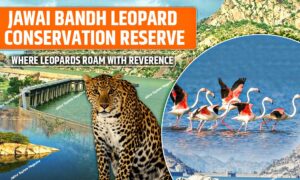
Jawai Bandh Leopard Conservation Reserve: Where Leopards Roam with Reverence
Jawai Bandh Leopard Conservation Reserve is one of the most remarkable wildlife destinations in India. Situated in the Pali district of Rajasthan, this reserve is known for its dramatic landscape of granite hills, riverbeds, and natural caves that provide an ideal habitat for leopards. Unlike many other reserves, Jawai is celebrated not only for its dense leopard population but also for the rare harmony between humans and wildlife. Here, leopards roam freely, often seen near villages and temples, yet coexist peacefully with the local Rabari community, who revere them as spiritual protectors.
The Landscape of Jawai
The Jawai Bandh Leopard Conservation Reserve spans nearly 20 square kilometers. It is named after the Jawai Dam, one of the largest reservoirs in western Rajasthan. The surrounding landscape is a striking mix of rocky outcrops, thorn forests, open scrubland, and wetlands created by the dam. This diverse terrain supports a rich ecosystem and creates excellent conditions for wildlife observation.
The granite hills, dotted with caves, are particularly significant. These caves serve as natural shelters for leopards, where they rest, breed, and rear their cubs. Unlike dense jungles, Jawai’s open rocky terrain offers greater visibility, making leopard sightings frequent and rewarding for visitors.
Wildlife and Biodiversity
The highlight of the reserve is, without doubt, its leopards. Jawai is believed to have one of the highest densities of leopards in India, with around 50–60 individuals inhabiting the region. These majestic big cats are often spotted during dawn and dusk, perched gracefully on boulders or moving silently across the valleys.
But Jawai is more than just a leopard reserve. The ecosystem supports a variety of wildlife species, including:
-
Mammals: Striped hyenas, jungle cats, nilgai (blue bull), chinkara (Indian gazelle), and sloth bears.
-
Birds: The wetlands near Jawai Dam attract thousands of migratory birds during winter, including bar-headed geese, demoiselle cranes, flamingos, and pelicans. Resident species like peafowl, eagles, and owls are also commonly seen.
-
Reptiles: The region is home to mugger crocodiles, especially in the waters of Jawai Dam, adding to the diversity of wildlife.
This combination of predators, prey, and birdlife makes the Jawai Bandh Leopard Conservation Reserve a thriving ecosystem.
Human–Wildlife Harmony
One of the most fascinating aspects of Jawai is the unique relationship between humans and leopards. The local Rabari tribe, known for their pastoral lifestyle, shares the land with leopards in an extraordinary display of coexistence. For generations, the Rabaris have considered leopards sacred and believe they are protectors sent by their gods.
Unlike many regions where human–wildlife conflict is common, Jawai stands out as a land where leopards live among people without incidents of attacks. It is not unusual to see villagers walking calmly near leopard habitats, or even priests performing rituals in temples where leopards are frequent visitors. This deep cultural reverence has contributed significantly to the conservation of the species and ensured peaceful coexistence.
Tourism and Leopard Safaris
The Jawai Bandh Leopard Conservation Reserve has become an increasingly popular destination for wildlife tourism. Leopard safaris are the primary attraction here, conducted in open jeeps by local trackers who know the terrain intimately.
-
Safari Timings: Safaris are typically organized in the early mornings and late afternoons, lasting around 2.5–3 hours. These times coincide with the peak activity of leopards, ensuring better chances of sightings.
-
Night Safaris: In some areas, guided night safaris are offered, giving visitors a chance to observe nocturnal wildlife, though restrictions are in place to prevent disturbance to animals.
-
Stay Options: Luxury camps and eco-friendly lodges around Jawai offer comfortable stays, blending modern amenities with traditional hospitality. Resorts like Sujan Jawai, Jawai Castle, and other boutique lodges provide immersive experiences, combining wildlife adventures with cultural encounters.
What makes a safari in Jawai unique is the high success rate of leopard sightings compared to many other reserves in India. The open terrain and the cats’ tolerance toward human presence contribute to unforgettable wildlife encounters.
Conservation Challenges
Despite its success story, the Jawai Bandh Leopard Conservation Reserve faces several challenges:
-
Illegal Mining: Mining activities in nearby areas threaten the habitat by disturbing the rocky caves where leopards live.
-
Encroachment: Expansion of human settlements and agriculture poses risks to natural ecosystems.
-
Accidents: The Delhi–Mumbai railway line passes through the region, occasionally leading to accidents involving wildlife.
-
Tourism Pressure: While tourism generates income and awareness, unregulated safari practices can disturb animals and their natural behavior.
Conservationists and the Rajasthan Forest Department are working on sustainable solutions, focusing on protecting habitats while promoting responsible tourism.
Best Time to Visit
The ideal time to visit Jawai Bandh Leopard Conservation Reserve is from October to March. During this period, the weather is pleasant, and leopards are more active, especially around the rocky outcrops. Migratory birds also flock to the wetlands in winter, making it an excellent time for birdwatchers.
The summer months of April and May can get extremely hot, often discouraging safaris, while the monsoon season adds a unique charm with greener landscapes but fewer wildlife activities.
How to Reach Jawai
Jawai is well-connected by road, rail, and air, making it accessible from major cities:
-
By Road: The reserve is around 136 km from Udaipur, 165 km from Jodhpur, and about 396 km from Jaipur.
-
By Rail: Mori Bera (4 km), Jawai Bandh (15 km), and Falna (35 km) are the nearest railway stations with good connectivity.
-
By Air: The closest airports are in Udaipur (130 km) and Jodhpur (170 km). Ahmedabad (270 km) is another option, while Jaipur and Delhi are farther but accessible.
Why Jawai Stands Out
Jawai Bandh Leopard Conservation Reserve is unlike any other wildlife destination in India. Its uniqueness lies in several aspects:
-
High Leopard Density: One of the best places to spot leopards in the wild.
-
Cultural Harmony: Rare coexistence of humans and leopards without conflict.
-
Photogenic Landscapes: Granite hills, riverbeds, and wetlands offer breathtaking views.
-
Community Tourism: Local traditions and eco-friendly tourism practices enhance the visitor experience.
-
Accessibility: Conveniently located and connected with major tourist cities in Rajasthan.
The Jawai Bandh Leopard Conservation Reserve is more than just a leopard sanctuary; it is a living example of balance between humans, wildlife, and nature. From its cave-dwelling leopards and migratory birds to its harmonious Rabari community and eco-friendly safaris, Jawai offers a wildlife experience unlike any other.
For travelers, wildlife enthusiasts, and photographers, Jawai is not only a place to witness the majestic leopard but also a destination to experience a unique cultural and ecological harmony. Visiting Jawai is not just a journey into the wild—it is a journey into a world where reverence, respect, and coexistence define the bond between man and nature.
Jawai Bandh Leopard Conservation Reserve
Jawai Dam wildlife
Jawai leopard sightings
Jawai tourism
leopard safari Rajasthan
leopards in India
Rajasthan wildlife reserve