Jaipur Metro Phase 2 Project: A Major Boost to Rajasthan’s Infrastructure
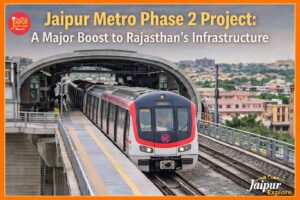
Jaipur Metro Phase 2 Project marks a significant milestone in Rajasthan’s urban development and infrastructure expansion. Recently approved by the Union Cabinet, this ambitious metro expansion aims to transform connectivity across Jaipur while complementing major industrial developments like the refinery cost boost in the state.
The project is expected to enhance urban mobility, reduce congestion, and support economic growth in one of India’s fastest-growing cities.
Overview of Jaipur Metro Phase 2 Project
The Jaipur Metro Phase 2 Project has received official approval with an estimated cost of around ₹13,038 crore. The project includes the construction of a 41-kilometer long North-South corridor connecting Prahladpura to Todi Mod.
Key highlights of the project include:
- Total Length: 41 km
- Number of Stations: 36
- Corridor: North-South (Prahladpura to Todi Mod)
- Estimated Cost: ₹13,037–13,038 crore
- Implementation: Rajasthan Metro Rail Corporation Limited (RMRCL)
This new corridor will significantly expand the existing metro network and integrate with Phase 1 for seamless connectivity.
Route and Connectivity Benefits
The Jaipur Metro Phase 2 Project is designed to connect major residential, commercial, and industrial zones across the city.
Important areas covered include:
- Sitapura Industrial Area
- Jaipur International Airport
- Tonk Road
- SMS Hospital
- Vidhyadhar Nagar
- Ambabari
The project will ensure smooth travel across these high-traffic zones, making commuting faster and more efficient.
It is expected to act as a “lifeline” for Jaipur residents by linking key economic hubs and reducing travel time.
Impact on Urban Mobility
One of the primary objectives of the Jaipur Metro Phase 2 Project is to improve urban mobility.
1. Reduced Traffic Congestion
With increasing population and vehicle usage, Jaipur faces heavy traffic congestion. The metro expansion will:
- Reduce dependency on private vehicles
- Ease road traffic pressure
- Improve travel efficiency
2. Environment-Friendly Transport
Metro systems are known for reducing carbon emissions. This project will:
- Lower pollution levels
- Promote sustainable urban transport
- Support green city initiatives
3. Increased Public Transport Usage
The existing metro already serves thousands of passengers daily, and Phase 2 is expected to significantly increase ridership.
Economic Significance of the Project
The Jaipur Metro Phase 2 Project is not just a transport initiative—it is a major economic driver.
1. Job Creation
- Employment during construction phase
- Long-term jobs in operations and maintenance
2. Boost to Real Estate
Areas along the metro corridor are likely to see:
- Increased property value
- Higher commercial activity
3. Support for Tourism
Jaipur, being a major tourist destination, will benefit from improved connectivity between key attractions and transit points.
Refinery Project Cost Boost and Its Impact
Alongside the metro approval, the government has also increased the cost of the HPCL Rajasthan Refinery Project, signaling a broader push for infrastructure development.
- Revised Cost: Around ₹79,459 crore (approx. $8.6 billion)
- Increase: About 84% rise in cost estimate
This refinery expansion will:
- Boost India’s refining capacity
- Reduce dependence on fuel imports
- Promote industrial growth in Rajasthan
The combination of metro expansion and refinery development reflects a strategic approach to both urban and industrial growth.
Integration with Existing Metro Network
The Jaipur Metro currently operates its Phase 1 corridor connecting Mansarovar to Badi Chaupar.
Phase 2 will:
- Integrate with existing metro lines
- Provide interchange facilities
- Offer feeder systems for last-mile connectivity
This integration will create a comprehensive metro network across Jaipur, improving accessibility for residents and visitors alike.
Project Timeline and Implementation
The Jaipur Metro Phase 2 Project is expected to be completed by September 2031.
The construction will be carried out in multiple phases to ensure:
- Efficient execution
- Minimal disruption to city traffic
- Faster completion of different segments
Government Vision and Policy Alignment
The project aligns with:
- Metro Rail Policy 2017
- Rajasthan TOD Policy 2025
- National sustainable urban transport goals
It reflects the government’s commitment to:
- Smart city development
- Sustainable infrastructure
- Improved quality of life
Challenges and Considerations
Despite its benefits, the Jaipur Metro Phase 2 Project may face certain challenges:
1. High Investment Cost
- Requires significant funding and financial planning
2. Land Acquisition Issues
- Urban areas may pose challenges in land availability
3. Construction Disruptions
- Temporary traffic diversions and inconvenience
However, proper planning and phased implementation can mitigate these issues.
Future Outlook
The Jaipur Metro Phase 2 Project is expected to transform Jaipur into a modern, well-connected city.
Key future outcomes include:
- Faster urban transportation
- Reduced pollution
- Increased economic activity
- Improved quality of life
With infrastructure projects like metro expansion and refinery development, Rajasthan is moving towards becoming a major growth hub in India.
Conclusion
Jaipur Metro Phase 2 Project represents a significant leap in Rajasthan’s infrastructure journey. With a massive investment, improved connectivity, and alignment with sustainable development goals, it is set to redefine urban mobility in Jaipur.
Combined with the refinery cost boost, the project highlights a comprehensive approach to economic and industrial growth. As the city prepares for the future, this metro expansion will play a crucial role in shaping Jaipur into a smarter, more efficient, and globally competitive city.