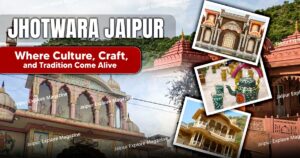
Jhotwara Jaipur: Where Culture, Craft, and Tradition Come Alive
Jhotwara, a suburban area in the north-west of Jaipur, Rajasthan, is much more than a residential extension of the city. It stands as a living canvas of tradition and ethnicity. Rooted in ancient tribal legacies, royal influence, and local crafts, Jhotwara offers a fascinating blend of Rajasthan’s cultural soul and evolving urban identity.
Historical Roots and Ethnic Foundations
Tribal Heritage: The Meenas
Long before the Rajput rulers consolidated power in this region, Jhotwara was under the realm of the Meena tribe. The Meenas were one of the earliest indigenous communities inhabiting the Jaipur region. Over time, their social, cultural, and economic imprint became an inseparable part of Jhotwara’s identity. Their traditions, folklore, and craftsmanship still echo in the daily lives of the locals.
Rise of Rajput & Kachhwaha Influence
With the establishment of the Amber kingdom, the Kachhwaha Rajputs expanded their domain and integrated the Meena areas, including Jhotwara, into their territory. Today, Jhotwara, which is also a legislative assembly constituency, continues to reflect this layered heritage.
The Kachhwaha lineage, claiming descent from the Suryavanshi (solar) dynasty, played a crucial role in shaping Jaipur’s political and cultural evolution — leaving behind a legacy of valor, devotion, and royal art patronage.
Ethnic Mosaic & Cultural Expression
Language & Community
The primary language spoken in Jhotwara is Hindi, although many locals also communicate in Rajasthani dialects. The community comprises people from tribal, agrarian, artisan, and mercantile backgrounds. This diverse social fabric adds to the area’s vibrant cultural mix, where tradition and modernity coexist in harmony.
Folk Arts, Music & Theatre
Rajasthan’s cultural richness thrives in its folk traditions, and Jhotwara partakes in this legacy. Folk theatre, traditional music, and local dance forms continue to be integral to community life. The people of Jhotwara celebrate their heritage through small neighborhood performances, fairs, and festive gatherings, preserving age-old art forms for younger generations.
Festivals & Rituals
Festivals in Jhotwara mirror Rajasthan’s colorful customs but often carry a unique local touch.
-
Holi & Gulaal Gota: One of the most vibrant celebrations here, Holi is marked by the playful use of gulaal gota — colorful lac-based shells thrown in joy and camaraderie. These decorative pieces are handmade by local artisans, showcasing both artistry and cultural continuity.
-
Local Religious Celebrations: Neighborhood temples and community shrines organize annual fairs (melas) and rituals dedicated to clan deities, promoting social unity and spiritual devotion among residents.
Local Crafts, Businesses & Economy
Textile, Apparel & Ethnic Wear
Jhotwara has emerged as a small but thriving hub for textile and ethnic wear businesses. Numerous local retailers and garment makers continue to reflect Rajasthan’s traditional aesthetics through their collections. From embroidered gowns to hand-printed kurtis, the area’s apparel industry beautifully merges modern fashion with ethnic roots.
These enterprises not only strengthen the local economy but also help sustain traditional textile crafts that have been practiced for generations.
Artisan Linkages
The craftspeople of Jhotwara play a vital role in preserving Jaipur’s artistic legacy. Skills such as weaving, mirror work, block printing, and hand embroidery are passed down through families, keeping ancient techniques alive. Supporting local artisans by purchasing their handcrafted items ensures the survival of these traditional crafts and helps preserve Jhotwara’s cultural identity.
Challenges & Evolving Identity
While Jhotwara continues to grow economically and socially, it faces several modern challenges:
-
Urbanization Pressure: Rapid development has altered the suburban landscape. Traditional homes and open community spaces are being replaced by new construction projects, changing the area’s architectural character.
-
Cultural Dilution: The influx of new residents and modern lifestyles sometimes weakens the communal bonds and traditional practices that once defined Jhotwara’s identity.
-
Documentation Gaps: Many of the region’s oral traditions, songs, and local customs remain undocumented, making them vulnerable to being forgotten over time.
Despite these challenges, cultural groups and local enthusiasts are working actively to preserve heritage through storytelling, workshops, and heritage walks that revive interest in Jhotwara’s traditions.
How to Experience Jhotwara’s Culture
If you’re visiting Jhotwara, here are some enriching ways to experience its unique cultural vibe:
-
Neighborhood Walks: Stroll through the narrow streets, interact with locals, and observe the architectural blend of old havelis and modern homes.
-
Workshops & Local Artisans: Meet craftspeople specializing in textiles, lac work, or block printing to see how traditional skills thrive amidst modern trends.
-
Festival Visits: Plan your trip around Holi, Diwali, or local melas to witness authentic community celebrations.
-
Ethnic Wear Shopping: Visit local markets offering sarees, kurti sets, and traditional garments to take home a piece of Jhotwara’s artistry.
Jhotwara stands as a bridge between the past and the present — where tribal roots, Rajput valor, folk art, and urban progress converge. Its traditions are not static relics of history but a living, evolving expression of Jaipur’s cultural identity.
As the suburb continues to grow, nurturing its artistic soul and community spirit will ensure that Jhotwara remains a vibrant symbol of Rajasthan’s enduring heritage.