The Quiet Grandeur of Shekhawati
Exploring the Abandoned Havelis of Rajasthan
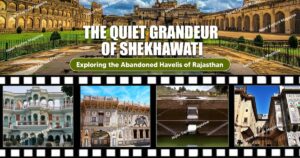
Shekhawati havelis in Rajasthan are a remarkable glimpse into history. These abandoned mansions, built by wealthy Marwari traders, feature vibrant frescoes, carved doors, and courtyards that echo centuries of culture and trade. Visiting them is like stepping into a quiet world of grandeur and artistry.
This is a journey into the past: art, architecture, ambition, abandonment. If you have a soft spot for forgotten places, this will speak to you.
Origins: Why Shekhawati Became an Open-Air Gallery
-
Between the late 1700s and early 1900s, Marwari traders—wealthy merchant families—built grand homes here. They wanted more than just homes. They wanted statements: of success, of taste, of being part of global trade.
-
These havelis are scattered across towns like Nawalgarh, Mandawa, Jhunjhunu, Fatehpur, Bissau, and Churu. Each one was a canvas: frescoes on plastered walls, carved wood work, ornate gates, pillared courtyards. Materials were often local (stone, brick, lime plaster) paired with imported wood, decorative pigments, etc.
Architectural Highlights: What Makes These Havelis Special
-
Frescoes that tell stories: Mythological tales, portraiture, hunting scenes—but also surprising things like steam engines, British-era figures, trains. The wall art is both local and cosmopolitan.
-
Courtyards, corridors, jharokhas: The layout usually includes open courtyards, intricate wooden balconies or jharokhas, carved gateways. These features brought light, shade, and ventilation—important in an arid climate.
-
Decorative craftsmanship: Stucco molding, wood carving, painted ceilings. The decorative elements often speak not only of wealth but of a mix of influences—Mughal, Rajput, colonial.
Decline: Why So Many Are Now Quiet
-
As merchant lineages grew, they spread out. Younger generations often moved to big colonial or port cities—Bombay (Mumbai), Kolkata, Delhi—to seek education, trade, or new opportunities. The havelis became ancestral properties rather than primary residences.
-
Maintenance of large havelis in the dry desert climate is expensive. Over time, the costs of repairs, climate damage (heat, sun, rain), and neglect add up.
-
Property division over generations diluted ownership. Without a single dedicated owner living there, care tends to lapse. Some rooms are locked, few used. Others simply left to the elements.
The Present: How These Havelis Survive
-
Many havelis are not completely abandoned. Even when empty, caretakers or family members sometimes visit during festivals, weddings, or rituals. These visits sometimes bring small repairs or upkeep.
-
Conservation efforts are rising. State heritage programs, local trust initiatives, and heritage tourism are helping save some havelis. In some places, havelis are converted to homestays, museums, or cultural hubs. This adaptive reuse brings life (and revenue) back.
-
Still, many havelis are fragile. Without funding, expertise, or regular use, frescoes peel, wood rot, plaster cracks. Nature and time are relentless.
Why Visit Shekhawati’s Havelis
-
Historical richness: You’ll see intersections of trade history, colonial influence, indigenous culture. Every painting, every carved door tells a story.
-
Art and photography: The colors (where they survive), the intricate decorations, the contrast between decay and beauty make for unforgettable visuals.
-
Quiet and reflection: Unlike major tourist sites, many havelis are peaceful. Walking through corridors and courtyards alone, you feel connected to the past.
-
Supporting heritage: Visiting responsibly helps local economies and encourages conservation. Staying in a restored haveli homestay, hiring local guides, buying from artisans—these choices make a difference.
Tips for Exploring Safely and Responsibly
-
Plan ahead: Pick a few key towns like Mandawa or Nawalgarh, but also allow time for offbeat places.
-
Local guides: They often know which havelis are accessible and safe.
-
Respect property: Many havelis are privately owned, even if empty. Get permission before entering. Stay mindful of fragile arts.
-
Weather timing: Winters (October-March) are best. Summers are harsh; monsoons cause damage and risk.
-
Support conservation: Use locals for tours, stay in heritage homestays, contribute to preservation where possible.
The abandoned havelis of Shekhawati are more than crumbling mansions. They are memoirs in paint and stone—a record of ambition, artistry, migration, culture. They stand quietly now, but their beauty still speaks. Walking through them, you don’t just see history—you feel its weight.
If you ever want to escape the crowds, breathe in some Rajasthan dust and piece together stories from plaster and fresco, go to Shekhawati. You’ll return changed, touched by quiet grandeur.