Tal Chhapar Sanctuary: A Unique Grassland Ecosystem of Rajasthan
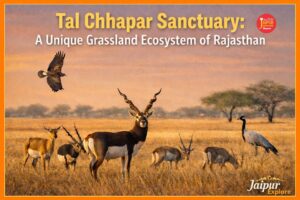
Tal Chhapar Sanctuary is one of the most remarkable wildlife destinations in Rajasthan, known for its vast grasslands, thriving blackbuck population, and rich birdlife. Located on the edge of the Great Indian Thar Desert, this sanctuary represents a rare ecological zone where desert meets savanna-like grassland, creating an ideal habitat for diverse flora and fauna.
Spread over a relatively small area, Tal Chhapar Sanctuary has gained national importance for wildlife conservation, particularly for protecting the elegant blackbuck antelope and migratory birds. Its ecological significance, along with recent conservation discussions, has brought it into the spotlight.
Location and Historical Background
Tal Chhapar Sanctuary is situated in the Churu district of Rajasthan, in the Shekhawati region. It lies between Ratangarh and Sujangarh and is easily accessible by road. The sanctuary was originally a hunting reserve of the royal family of Bikaner before being declared a protected area in 1966.
The term “Tal” refers to flat land in the local Rajasthani language, which accurately describes the geography of this sanctuary. The area consists of open plains with shallow depressions that collect rainwater seasonally, supporting the ecosystem.
Geographical Features and Ecosystem
Tal Chhapar Sanctuary is characterized by:
- Flat terrain with low-lying depressions
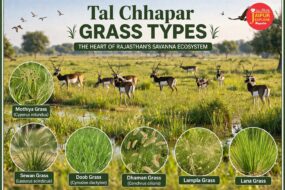
- Open grasslands resembling a savanna ecosystem
- Sparse vegetation, mainly Acacia and Prosopis species
- Saline soil and seasonal water bodies
This unique geography makes it one of the few grassland ecosystems in India. The sanctuary lies in the arid zone, with extreme temperatures and low rainfall ranging between 300–450 mm annually.
Despite harsh climatic conditions, the ecosystem thrives due to its adaptability and seasonal water availability.
Flora and Fauna of Tal Chhapar Sanctuary
1. Blackbuck: The Star Attraction
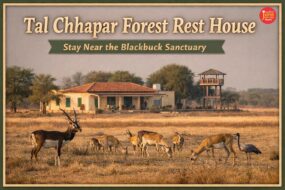
Tal Chhapar Sanctuary is best known for its large population of blackbucks (Antilope cervicapra). These graceful antelopes are known for their spiral horns and striking appearance.
- Population: Around 4,000 blackbucks
- Behavior: Diurnal (active during the day)
- Conservation Status: Protected under Schedule I of the Wildlife Protection Act, 1972
Blackbucks are considered symbols of grassland ecosystems and play a crucial role in maintaining ecological balance.
2. Birdlife and Raptors
The sanctuary is a paradise for bird watchers, hosting:
- Over 300 species of birds
- More than 40 species of raptors
Some commonly spotted birds include:
- Eastern Imperial Eagle
- Tawny Eagle
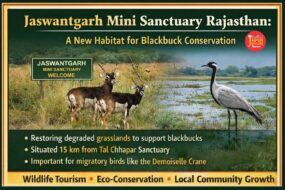
- Demoiselle Crane
- Short-toed Eagle
- Skylarks and doves
Tal Chhapar lies along a migratory route, making it an important stopover for birds traveling from Central Asia and Europe during winter.
3. Other Wildlife
Apart from blackbucks and birds, the sanctuary supports:
- Desert fox
- Reptiles and lizards (including spiny-tailed lizard)
- Various insects and smaller mammals
These species form an interconnected food chain that sustains the ecosystem.
Conservation Importance
Tal Chhapar Sanctuary plays a critical role in preserving grassland biodiversity, which is often overlooked compared to forests. The sanctuary has gained attention due to concerns regarding its eco-sensitive zone (ESZ).
Eco-sensitive zones are buffer areas around protected regions aimed at minimizing human impact and preserving ecological balance. The Supreme Court has mandated a minimum ESZ of one kilometer around protected areas to ensure conservation.
Additionally, organizations like WWF have initiated projects for the conservation of raptors in the sanctuary, highlighting its global ecological significance.
Challenges Faced by Tal Chhapar Sanctuary
Despite its importance, the sanctuary faces several challenges:
1. Habitat Pressure
- Limited area (approx. 7.19 sq km)
- Increasing blackbuck population
2. Human Activities
- Grazing by livestock
- Nearby mining activities
3. Environmental Issues
- Invasive species like Prosopis juliflora
- Water scarcity due to altered natural flow
4. Climate Conditions
- Extreme heat and aridity
- Irregular rainfall patterns
These factors threaten the long-term sustainability of the sanctuary and require effective management strategies.
Eco-Sensitive Zone and Legal Protection
The sanctuary recently came into focus due to proposals to reduce its eco-sensitive zone. However, conservation efforts and legal interventions helped in protecting its ecological boundaries.
Eco-sensitive zones regulate activities such as:
- Industrial development
- Mining
- Construction
Their primary objective is to safeguard biodiversity and maintain ecological stability around protected areas.
Best Time to Visit Tal Chhapar Sanctuary
The ideal time to visit Tal Chhapar Sanctuary is:
- October to March – Best for bird watching and wildlife spotting
- Winter season – Pleasant weather and arrival of migratory birds
During this time, the sanctuary transforms into a vibrant ecosystem full of life and activity.
Tourism and Eco-Tourism Potential
Tal Chhapar Sanctuary offers immense potential for eco-tourism:
- Wildlife photography
- Bird watching
- Nature trails
- Educational tours
Its open landscape provides excellent visibility, making it easier to observe animals compared to dense forests.
Why Tal Chhapar Sanctuary Matters
Tal Chhapar Sanctuary is more than just a wildlife destination. It represents:
- Conservation of grassland ecosystems
- Protection of endangered and migratory species
- Balance between nature and human development
In a country where forests often dominate conservation discussions, Tal Chhapar highlights the importance of preserving grasslands.
Final Words
Tal Chhapar Sanctuary stands as a shining example of how even a small protected area can have immense ecological value. With its thriving blackbuck population, diverse birdlife, and unique grassland ecosystem, it plays a vital role in India’s biodiversity conservation efforts.
Protecting this sanctuary is not just about saving wildlife—it is about preserving a fragile ecosystem that supports countless species and contributes to environmental balance. Sustainable conservation strategies, strict regulation of human activities, and increased awareness are essential to ensure that Tal Chhapar Sanctuary continues to thrive for generations to come.