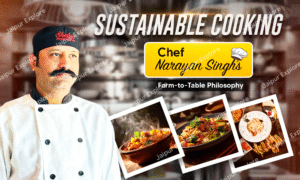
Sustainable Cooking: Chef Narayan Singh’s Farm-to-Table Philosophy
Sustainable Cooking is more than a culinary trend—it is a responsibility toward the planet, farmers, and future generations. Across the world, chefs are rethinking the way food is sourced, prepared, and consumed. Among them, Chef Narayan Singh Shekhawat has emerged as a passionate advocate of the farm-to-table philosophy, where food travels directly from local farms to the dining table with minimal waste and maximum respect for nature.
Supporting Local Farmers
One of the most important aspects of sustainable cooking is the relationship between chefs and farmers. Instead of relying on industrially produced ingredients that often lack freshness and nutritional value, Chef Narayan Singh works closely with local farmers.
-
He sources organic vegetables grown without harmful pesticides.
-
He promotes the use of seasonal fruits, which are fresher, healthier, and environmentally sustainable.
-
He champions heritage grains like bajra (pearl millet), jowar (sorghum), and ragi (finger millet), which require less water to grow and are packed with nutrients.
This not only supports farmers financially but also preserves India’s agricultural biodiversity. By bringing these traditional ingredients into modern kitchens, Chef Narayan ensures they remain a vital part of the food system.
Reducing Food Waste
Globally, food waste is one of the biggest threats to sustainability. Chef Narayan Singh implements zero-waste cooking techniques that make full use of every ingredient. His philosophy is simple: if nature has provided it, it should be respected and used wisely.
Some of his practices include:
-
Vegetable peels are repurposed into flavorful stocks or crisps.
-
Fruit scraps are dehydrated for natural garnishes and toppings.
-
Excess bread is turned into breadcrumbs or puddings.
-
Composting organic waste enriches the soil, completing the natural cycle.
Through these steps, he shows that kitchens can reduce their environmental footprint while still serving delicious and creative dishes.
Farm-to-Table Dining Experiences
Chef Narayan Singh’s restaurants and pop-up dinners often highlight farm-to-table dining. Guests are invited to experience dishes crafted from ingredients harvested just hours before being cooked. This approach offers multiple benefits:
-
Unmatched Freshness – Food tastes better when it hasn’t traveled thousands of miles.
-
Healthier Choices – Seasonal produce is more nutritious and free of harmful preservatives.
-
Stronger Communities – Supporting local farmers strengthens rural economies.
-
Eco-Friendly Practices – Shorter supply chains reduce carbon emissions.
By making farm-to-table dining both accessible and exciting, Chef Narayan proves that sustainability can be a gourmet experience.
Inspiring the Next Generation
For Chef Narayan Singh, sustainable cooking isn’t just about what he does in his kitchen—it’s about creating a movement. Through workshops, cooking classes, and chef training programs, he educates aspiring chefs about eco-friendly culinary practices.
His training emphasizes:
-
Seasonal Menu Planning – Designing dishes around what is available locally.
-
Mindful Sourcing – Choosing suppliers who follow ethical and sustainable farming.
-
Creative Waste Management – Learning how to reuse leftovers without compromising taste.
-
Eco-Friendly Kitchens – Encouraging energy-efficient appliances and minimal use of plastics.
By instilling these values in young chefs, he ensures that the principles of sustainable cooking continue to grow.
Global Impact of Sustainable Cooking
While his philosophy is deeply rooted in Indian traditions, Chef Narayan Singh’s efforts align with global conversations about sustainability. Around the world, leading chefs and restaurants are turning toward farm-to-table dining, organic sourcing, and waste reduction. Chef Narayan contributes to this movement by showcasing Indian heritage grains, spices, and cooking methods on international stages.
This global recognition is not just about food—it is about raising awareness that culinary choices can directly impact the environment. When chefs adopt sustainable practices, they influence diners, farmers, and entire communities to follow suit.
Chef Narayan Singh’s Sustainability Philosophy
At the heart of Chef Narayan’s approach is a belief that food should heal, not harm. His sustainability philosophy can be summed up as:
-
Respect the farmer – Value the people who grow our food.
-
Respect the ingredient – Use every part wisely, waste nothing.
-
Respect the planet – Choose methods that reduce harm to the environment.
-
Respect future generations – Leave behind a healthier, more sustainable food system.
These values ensure that his work is not just about cooking meals but about creating a positive, lasting impact.
Why Sustainable Cooking Matters Today
The importance of sustainable cooking has never been greater. With climate change, soil degradation, and rising food waste, our current food systems are under pressure. Chefs like Narayan Singh remind us that small, mindful changes can have massive ripple effects.
-
Choosing local reduces carbon footprints.
-
Using seasonal produce improves nutrition.
-
Preventing waste conserves resources.
-
Supporting farmers builds stronger economies.
By practicing and promoting sustainability, chefs can shape not just what we eat but how we live.
Sustainable cooking is not just a philosophy—it is a movement toward a healthier planet and a more conscious way of living. Through his farm-to-table practices, support for local farmers, zero-waste kitchens, and commitment to educating the next generation, Chef Narayan Singh Shekhawat has become a role model in the culinary world.
His vision proves that food can be delicious, nutritious, and eco-friendly all at once. By celebrating local produce, minimizing waste, and promoting sustainable dining, he shows us that cooking is not only about feeding people but also about protecting the Earth for generations to come.