Sanitary Napkin Quality Rajasthan: Free Pads Fail Lab Test in Schools
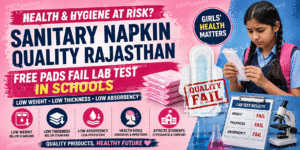
Sanitary Napkin Quality Rajasthan has become a major public concern after reports claimed that free sanitary pads distributed in schools failed laboratory quality checks. The issue has raised serious questions about product standards, student health, and implementation of welfare schemes meant for girls.
According to the report, sanitary pads supplied under a government distribution program were allegedly below expected standards in weight, thickness, and absorbency. This has triggered debate over quality control, procurement systems, and accountability.
What Is the Sanitary Napkin Quality Rajasthan Issue?
The Sanitary Napkin Quality Rajasthan controversy relates to free sanitary napkins reportedly distributed in schools and institutions under a welfare scheme. These products were intended to improve menstrual hygiene and support school-going girls.
However, laboratory tests allegedly found that some samples did not meet expected standards. Reports claimed the pads had lower weight than specified, reduced thickness, and poor blood absorption performance.
This has caused concern because sanitary hygiene products directly affect health, comfort, and dignity.
Reported Problems in the Pads
The Sanitary Napkin Quality Rajasthan issue highlights several quality concerns.
1. Low Absorbency
One of the biggest allegations is that the pads did not absorb properly. Poor absorbency can cause discomfort, leakage, and hygiene problems.
2. Reduced Weight
Reports suggested the pad weight was lower than the expected standard. Lower material usage may affect product performance.
3. Lower Thickness
Thickness reportedly measured below required levels. Thinner products may reduce comfort and protection.
4. Health Risks
Poor-quality sanitary products may increase the risk of irritation, rashes, and infections if used regularly.
Why This Matter Is Serious
The Sanitary Napkin Quality Rajasthan issue is important because menstrual hygiene products are essential for health and education.
Student Health
Girls depend on safe hygiene products during school hours. Low-quality pads can create health and comfort issues.
School Attendance
Access to quality sanitary pads helps reduce absenteeism during periods. Poor products may discourage attendance.
Public Trust
Welfare schemes depend on public confidence. If quality is poor, trust in future programs declines.
Women’s Dignity
Menstrual hygiene is linked to dignity, privacy, and well-being. Quality failures can negatively impact users.
Importance of Free Sanitary Pad Schemes
The purpose of such schemes is positive and necessary. Programs like these aim to:
- Improve menstrual hygiene awareness
- Support girls from low-income families
- Increase school attendance
- Reduce stigma around periods
- Promote women’s health and confidence
The Sanitary Napkin Quality Rajasthan concern does not challenge the need for such schemes—it highlights the need for better implementation.
What Authorities May Need to Do
To address the Sanitary Napkin Quality Rajasthan issue, authorities can consider the following steps:
Strict Quality Testing
Every batch should be tested before distribution.
Transparent Procurement
Tenders and supplier selection should prioritize quality, not only price.
Feedback System
Schools and students should be able to report complaints quickly.
Independent Audits
Third-party inspections can ensure product standards are maintained.
Replacement of Poor Stock
If defective products are identified, they should be replaced immediately.
Role of Schools and Parents
Schools and families also play an important role in the Sanitary Napkin Quality Rajasthan matter.
- Teachers should encourage girls to report issues.
- Parents should discuss hygiene openly.
- Schools should maintain emergency stock of quality products.
- Awareness sessions should be conducted regularly.
Bigger Lesson for Public Welfare Programs
This issue shows that launching a scheme is only the first step. Delivery quality matters equally. Even a well-intended government program can fail if product standards are ignored.
The Sanitary Napkin Quality Rajasthan controversy is a reminder that welfare schemes must combine affordability, accessibility, and quality assurance.
Public Reaction
Many citizens and women’s groups have expressed concern over the reports. Social media discussions often focus on why essential hygiene products should never be compromised.
There is also demand for accountability if any negligence or poor-quality supply is proven.
Final Thoughts
The Sanitary Napkin Quality Rajasthan issue has sparked an important conversation about menstrual health, student welfare, and quality standards in public schemes. Free sanitary pad programs are valuable and necessary, but they must provide safe and effective products.
Ensuring quality sanitary products for girls is not just a policy matter—it is a health, education, and dignity priority. Strong monitoring and transparent systems can help restore trust and improve outcomes.