DNA Data Controversy India: Tribal DNA, Dementia Research & China Patent Debate
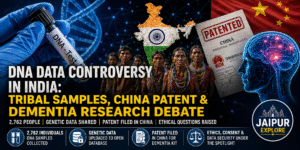
India is witnessing a major scientific and ethical debate after reports surfaced about the alleged misuse of DNA samples collected during dementia research. The issue, now widely known as the DNA data controversy India, has raised serious concerns about consent, data security, and international usage of genetic information.
What Is the DNA Data Controversy in India?
The controversy revolves around the collection of DNA samples from over 2,700 individuals, including tribal and elderly populations, across multiple Indian states. These samples were reportedly collected under the pretext of academic research on dementia.
However, investigations suggest that the genetic data may have been made publicly accessible and later used by foreign entities. The most alarming claim is that a Chinese organization allegedly used this data to develop diagnostic kits and even secure patents.
How the DNA Samples Were Collected
The research project focused on understanding dementia patterns in India. Participants, many of whom belonged to rural and tribal communities, provided blood samples for scientific study.
But concerns have emerged regarding:
Lack of informed consent
Limited awareness among participants
Use of thumb impressions instead of signatures
Absence of clear communication about data usage
These issues have intensified the DNA data controversy India, as ethical research standards require transparency and participant approval.
China Patent Allegations and Global Data Access
One of the most controversial aspects is the claim that the collected genetic data was uploaded to open-access databases. This made it available globally, allowing researchers worldwide to access and analyze it.
Reports suggest that a Chinese research body used this freely available data to:
Develop a dementia detection kit within months
File for a patent based on the findings
Begin preparations for commercial production
If proven true, this raises serious questions about how India’s biological data is protected and whether stricter data governance policies are needed.
Ethical Concerns Around Tribal DNA Usage
The involvement of tribal communities has made the issue even more sensitive. Tribal populations often represent unique genetic pools, making their DNA extremely valuable for scientific research.
However, ethical concerns include:
Exploitation of vulnerable communities
Lack of benefit-sharing mechanisms
Risk of genetic discrimination
Cultural and identity implications
The DNA data controversy India highlights the urgent need to protect indigenous genetic resources from misuse.
Scientific Research vs. Data Privacy
While scientific research is crucial for medical advancement, it must balance innovation with ethical responsibility.
Supporters of the research argue that:
The study was purely academic
Data sharing is common in global research
Open databases accelerate scientific progress
Critics, however, point out that:
Participants were not fully informed
Data was used beyond its original purpose
Commercial benefits were derived without consent
This clash between scientific progress and data privacy lies at the heart of the controversy.
Government and Institutional Response
Following the reports, authorities have begun examining the issue. Questions are being raised about:
Approval processes for such studies
Monitoring of international data access
Role of regulatory bodies
Compliance with ethical guidelines
There are also discussions about strengthening India’s bioethics framework to prevent similar incidents in the future.
Impact on Public Trust in Research
The DNA data controversy India could have long-term consequences on public participation in scientific studies.
If people lose trust, it may result in:
Reduced participation in medical research
Hesitation in sharing personal data
Slower progress in healthcare innovation
Building transparency and accountability is essential to restore confidence.
The Need for Stronger Data Protection Laws
This case highlights gaps in India’s data protection ecosystem, especially regarding genetic information.
Experts suggest:
Clear consent protocols
Strict data-sharing regulations
Protection of indigenous genetic resources
International agreements on bio-data usage
India may need a dedicated legal framework for genetic data protection, similar to global standards.
Conclusion
The DNA data controversy India is more than just a scientific issue—it is a matter of ethics, sovereignty, and human rights. While research in areas like dementia is vital, it cannot come at the cost of transparency and consent.
As investigations continue, this case serves as a wake-up call for policymakers, researchers, and institutions to ensure that scientific advancement respects both people and their data.