Tal Chhapar Grass Types – Understanding the Unique Grassland Ecosystem
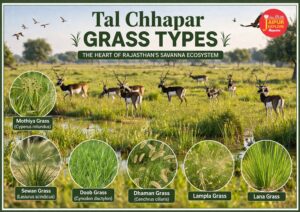
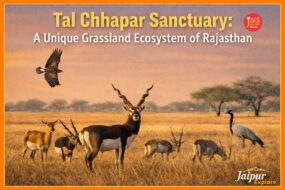
Tal Chhapar Grass Types play a crucial role in shaping the ecosystem of Tal Chhapar Black Buck Sanctuary. Located in the Churu district of Rajasthan, this sanctuary is a classic example of a savanna grassland, unlike the dense forests commonly associated with wildlife reserves.
This flat, open landscape is dominated by saline soil conditions and hardy grasses that not only survive but thrive in extreme climates. These grasses form the backbone of the food chain, supporting blackbucks, deer, and a wide variety of migratory birds.
What Makes Tal Chhapar’s Grassland Unique
The Tal Chhapar region is characterized by a shallow depression locally known as “Tal,” which collects rainwater during the monsoon. This seasonal transformation directly influences Tal Chhapar Grass Types.
- During monsoon: The land turns lush green
- During summer: It becomes dry and golden
- Soil type: Saline and alkaline
- Vegetation: Dominated by drought-resistant grasses
This natural cycle makes the grassland highly productive despite harsh conditions.
Major Tal Chhapar Grass Types
The diversity of Tal Chhapar Grass Types is what sustains its wildlife. Each grass species plays a specific ecological role.
1. Mothiya Grass (Cyperus rotundus)
Mothiya is the most distinctive among all Tal Chhapar Grass Types.
- Sweet-tasting and highly nutritious
- Preferred food of blackbucks
- Grows abundantly in saline soil
- Dominates the grassland ecosystem
This grass is considered the backbone of the sanctuary’s food system. Blackbucks are often seen grazing extensively on Mothiya, which contributes to their healthy population.
2. Sewan Grass (Lasiurus scindicus)
Sewan is another important component of Tal Chhapar Grass Types.
- Highly drought-resistant
- Rich in nutrients
- Common in arid regions of Rajasthan
- Supports herbivores during dry seasons
It is often regarded as one of the best natural fodder grasses in desert ecosystems.
3. Doob Grass (Cynodon dactylon)
Doob grass is widely known but still plays a key role in Tal Chhapar Grass Types.
- Also called Bermuda grass
- Fast-growing and resilient
- Helps in soil binding
- Provides continuous grazing support
Its adaptability makes it essential for maintaining ground cover.
4. Dhaman Grass (Cenchrus ciliaris)
Dhaman grass, also known as buffelgrass, is another vital species.
- Excellent fodder grass
- Thrives in dry and semi-arid climates
- Supports livestock and wild herbivores
- Helps prevent soil erosion
It is particularly useful during periods when other grasses dry out.
5. Lampla Grass
Lampla is a lesser-known but locally important species among Tal Chhapar Grass Types.
- Grows in patches across the sanctuary
- Contributes to biodiversity
- Acts as supplementary fodder
Though not as dominant, it adds to the ecological balance.
6. Lana Grass
Lana grass is another supporting species in the ecosystem.
- Found in saline patches
- Helps stabilize soil
- Provides additional grazing options
Its presence indicates the adaptability of vegetation in harsh conditions.
Seasonal Changes in Tal Chhapar Grass Types
One of the most fascinating aspects of Tal Chhapar Grass Types is their seasonal transformation.
Monsoon Season (July–September)
- Rapid grass growth
- Landscape turns green
- Peak grazing time for blackbucks
- Attraction for migratory birds
Winter Season (October–February)
- Moderate vegetation
- Ideal time for wildlife viewing
- Balanced ecosystem
Summer Season (March–June)
- Dry and sparse grass
- Survival phase for wildlife
- Dependence on hardy grass species
This cycle ensures sustainability despite extreme weather.
Role of Grass in Supporting Wildlife
Tal Chhapar Grass Types are directly responsible for the survival of its wildlife.
Blackbucks
The sanctuary is famous for its large population of Blackbuck.
- Depend heavily on Mothiya and Sewan grass
- Open grassland helps in predator detection
- Continuous food supply supports population growth
Birds
Tal Chhapar is a paradise for bird watchers.
- Migratory birds rely on grassland insects
- Grass provides nesting and shelter
- Species include harriers, eagles, and falcons
Other Herbivores
- Chinkara
- Nilgai (occasionally)
All depend on the diversity of Tal Chhapar Grass Types.
Conservation and Grassland Restoration
Tal Chhapar is not just a wildlife sanctuary but also a model for grassland conservation.
- Controlled grazing practices
- Prevention of invasive species
- Water management during monsoon
- Protection of native grass species
Efforts made here are now seen as a blueprint for restoring grasslands across India.
Why Tal Chhapar Grass Types Matter
Grasslands are often underestimated compared to forests, but Tal Chhapar proves their ecological importance.
- Support biodiversity
- Maintain soil health
- Act as carbon sinks
- Provide sustainable grazing systems
The success of Tal Chhapar highlights how preserving native grass species can transform an entire ecosystem.
Conclusion
Tal Chhapar Grass Types define the identity and ecological strength of Tal Chhapar Black Buck Sanctuary. From the sweet Mothiya grass to the resilient Sewan and Dhaman varieties, each species contributes to a balanced and thriving environment.
This unique savanna ecosystem stands as a reminder that even in harsh, saline conditions, nature can flourish with the right balance. Understanding and preserving these grass types is essential not just for wildlife, but for the future of grassland conservation in India.