Ashwagandha Magnesium Vitamin D Supplements: Do You Really Need Them in 2026?
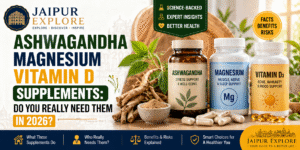
Ashwagandha Magnesium Vitamin D Supplements are everywhere right now—from Instagram reels to wellness blogs. Promoted as solutions for stress, sleep, immunity, and overall health, these supplements have become a daily ritual for many people.
But the real question is: Do we actually need them?
A recent feature highlights that while supplement culture is booming, not all claims are backed by strong scientific evidence, and many people may be taking them unnecessarily.
Let’s break down the truth behind these trending supplements.
The Rise of Supplement Culture
The popularity of Ashwagandha Magnesium Vitamin D Supplements reflects a broader wellness trend. Today, people are increasingly looking for quick fixes instead of long-term lifestyle changes.
Research shows:
- More than half of adults take some form of supplement
- Social media heavily influences supplement choices
- Many products lack strong clinical validation
Experts emphasize that supplements are meant to “supplement” gaps—not replace a healthy diet or lifestyle.
Understanding the Three Trending Supplements
1. Ashwagandha: The Stress Reliever
Ashwagandha is an ancient Ayurvedic herb known for its adaptogenic properties.
Benefits:
- Helps reduce stress and anxiety
- Improves sleep quality
- Supports hormonal balance
Studies suggest it can lower cortisol levels and improve overall mental well-being.
However, it’s not a miracle cure. Its effects vary from person to person.
2. Magnesium: The Calm Mineral
Magnesium plays a vital role in over 300 biochemical processes in the body.
Benefits:
- Supports muscle and nerve function
- Helps regulate sleep
- Reduces stress and fatigue
It is often paired with ashwagandha for relaxation and better sleep outcomes.
But again, supplementation is only necessary if your diet lacks sufficient magnesium.
3. Vitamin D: The Sunshine Vitamin
Vitamin D is essential for:
- Bone health
- Immune function
- Hormonal balance
Deficiency is common, especially in people with limited sun exposure. Experts often recommend it when levels are low.
Do You Really Need These Supplements?
The biggest takeaway about Ashwagandha Magnesium Vitamin D Supplements is this:
👉 Not everyone needs them.
Experts suggest:
- Supplements are useful only when there is a deficiency
- Overuse can lead to side effects
- Self-diagnosis can be risky
In fact, unnecessary supplementation may even lead to health complications or mask underlying issues.
Why the “One-Size-Fits-All” Approach Doesn’t Work
One of the biggest myths surrounding Ashwagandha Magnesium Vitamin D Supplements is that they work the same for everyone.
Reality:
- Nutritional needs vary by age, lifestyle, and health conditions
- Dosage requirements differ for each individual
- Some people may not benefit at all
Doctors recommend personalized testing before starting any supplement routine.
The Risks of Over-Supplementation
While supplements are generally safe when used correctly, overuse can be harmful.
Potential Risks:
- Vitamin D toxicity
- Digestive issues from excess magnesium
- Hormonal imbalance from herbal misuse
Additionally, thousands of emergency cases have been linked to supplement misuse over the years.
Food vs Supplements: What’s Better?
Experts strongly agree that nutrition should come from food first.
Better Natural Sources:
- Magnesium → Nuts, seeds, leafy greens
- Vitamin D → Sunlight, fortified foods
- Ashwagandha → Herbal formulations (if needed)
Supplements should only fill gaps—not replace balanced meals.
When Should You Take Supplements?
You may need Ashwagandha Magnesium Vitamin D Supplements if:
✔ You have a diagnosed deficiency
✔ You experience chronic stress or sleep issues
✔ You have limited sun exposure (Vitamin D)
✔ Your diet lacks essential nutrients
But always consult a healthcare professional before starting.
The Truth Behind Wellness Trends
The wellness industry often promotes supplements as “must-haves,” but reality is more complex.
- Many benefits are exaggerated
- Scientific evidence is still evolving
- Lifestyle factors matter more
Experts emphasize:
👉 Sleep, diet, exercise, and stress management are far more important than pills.
Best Approach to Health in 2026
Instead of blindly following trends, a smarter strategy includes:
- Regular health checkups
- Balanced nutrition
- Mindful supplementation
- Professional guidance
This approach ensures long-term health rather than short-term fixes.
Conclusion
Ashwagandha Magnesium Vitamin D Supplements may offer benefits—but they are not essential for everyone.
The truth is simple:
- They help when there’s a real need
- They don’t replace healthy habits
- They should be taken carefully
In 2026, the smartest health decision is not to follow trends—but to understand your body.