Jhotwara Sewer Deaths Jaipur: Why Did the Centre Order a Probe Into This Tragedy?
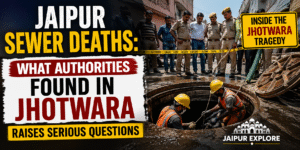
Jhotwara Sewer Deaths Jaipur has once again brought attention to the dangerous working conditions faced by sanitation workers in India. A recent incident in Jaipur’s Jhotwara area, where two workers lost their lives while cleaning a sewer, has led to a central government probe, raising serious questions about safety measures and accountability.
What Happened in Jhotwara?
The tragic incident occurred in the Jhotwara zone of Jaipur, where workers were engaged in cleaning a sewer line. During the process, two labourers died due to hazardous conditions inside the sewer chamber.
Reports indicate that another worker was critically injured, highlighting the severe risks involved in such operations. The incident has sparked outrage and concern among citizens and authorities alike.
Centre Orders Investigation
Following the incident, the Union Ministry of Social Justice and Empowerment stepped in and ordered an official investigation. The Jaipur district administration has been directed to conduct a detailed probe into the circumstances that led to the deaths.
This move reflects the seriousness of the situation and the need to identify lapses in safety protocols. Authorities are expected to examine whether proper precautions were taken and if any negligence contributed to the tragedy.
A Recurring Problem in Urban India
The Jhotwara Sewer Deaths Jaipur case is not an isolated incident. Across India, sanitation workers continue to face life-threatening conditions while cleaning sewers and septic tanks.
Common issues include:
- Lack of protective gear
- Absence of proper ventilation
- Exposure to toxic gases
- Manual cleaning instead of mechanized systems
Despite laws prohibiting manual scavenging, such practices continue in many areas, putting workers’ lives at risk.
Safety Concerns and Systemic Failures
This tragedy has once again exposed gaps in the system. Experts and activists have pointed out that:
- Safety guidelines are often ignored
- Workers are sent into hazardous environments without equipment
- Emergency response systems are inadequate
The lack of strict enforcement of safety regulations is a major concern. The Jhotwara Sewer Deaths Jaipur incident highlights how systemic failures can lead to fatal consequences.
Compensation vs Accountability
After the incident, financial compensation was announced for the families of the deceased workers. Reports suggest that affected families may receive significant monetary aid.
While compensation provides some relief, it does not address the root problem. Many believe that accountability and preventive measures are far more important than post-incident support.
Call for Safety Audit and Reforms
Following this tragedy, there have been demands for a comprehensive safety audit of sewer cleaning operations. Authorities and rights panels have emphasized the need to review existing systems and implement stricter safety protocols.
Suggested reforms include:
- Mandatory use of safety gear
- Increased use of mechanized cleaning equipment
- Regular monitoring and inspections
- Strict penalties for violations
Such measures are essential to prevent similar incidents in the future.
The Human Cost Behind the Numbers
Beyond statistics and reports, the Jhotwara Sewer Deaths Jaipur tragedy is a reminder of the human cost involved. Sanitation workers, often from marginalized communities, risk their lives daily to maintain public hygiene.
Their work remains largely invisible, yet essential for urban life. Incidents like this bring their struggles into the spotlight, demanding urgent attention and action.
Why This Incident Matters
The importance of the Jhotwara Sewer Deaths Jaipur case goes beyond one city. It highlights larger issues within India’s urban infrastructure and labor systems.
Key takeaways include:
- The urgent need for modernization of sanitation systems
- Better protection for frontline workers
- Stronger enforcement of existing laws
Without these changes, similar tragedies may continue to occur.
Can This Situation Be Prevented?
Yes, but only with consistent effort and accountability.
Preventive steps include:
- Replacing manual cleaning with machines
- Providing proper training and safety equipment
- Ensuring strict supervision of operations
- Holding responsible authorities accountable
These measures can significantly reduce risks and save lives.
Why This Matters
The Jhotwara Sewer Deaths Jaipur incident is a tragic reminder of the risks faced by sanitation workers and the gaps in safety systems. While the central probe is a step in the right direction, real change will depend on how effectively the findings are implemented.
Ensuring safe working conditions is not just a legal obligation—it is a moral responsibility. The hope is that this incident leads to meaningful reforms, so that no worker has to risk their life for basic sanitation work again.
Jaipur news
Jaipur sewer tragedy
Jhotwara sewer deaths Jaipur
manual scavenging issue
sanitation worker deaths India
sewer accident investigation
sewer safety India